How to detect a gas leak in your home
Discover effective methods to identify gas leaks in your home and ensure safety with expert insights from Gas Leak Plumber.
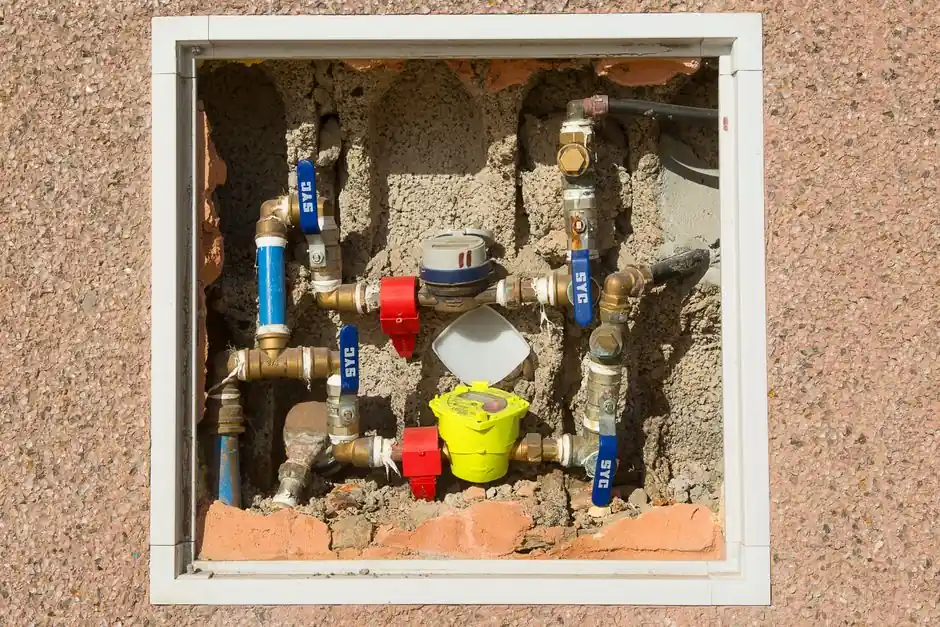
Detecting a gas leak in your home is crucial for safety and can prevent serious hazards. If you suspect a gas leak, look for signs like a hissing sound or a rotten egg smell. This guide covers how to identify gas leaks effectively and what steps to take if you find one.
Gas leak detection is the process of identifying the presence of gas in an area where it shouldn't be, helping to mitigate risks associated with gas exposure.
What is gas leak detection?
Gas leak detection involves using various methods and technologies to identify leaks in gas lines, appliances, or other systems. These leaks can pose health and safety risks, making early detection vital. In Oregon, many homes rely on natural gas for heating and cooking, which increases the importance of regular inspections and awareness.
Signs of a gas leak
Recognizing the signs of a gas leak can save lives. Here are some common indicators:
- Smell: A sulfur-like odor, often described as rotten eggs, is a primary indicator.
- Sound: Hissing or whistling noises near gas lines or appliances may indicate escaping gas.
- Visual signs: Dead vegetation or bubbles in standing water near gas lines can signal a leak.
- Physical symptoms: Nausea, dizziness, or headaches among household members can be symptoms of gas exposure.
How to detect a gas leak in your home
To effectively detect a gas leak in your home, follow these methods:
- Use your senses: Start by using your sense of smell. If you detect the rotten egg odor, evacuate the area immediately.
- Conduct a soap solution test: Mix soap and water, then apply it to suspected areas. If bubbles form, there is a leak.
- Monitor your gas bill: A sudden spike in your gas bill can indicate a leak. Compare it with previous months to identify unusual increases.
- Install gas detectors: Consider installing gas detectors in your home. These devices can alert you to the presence of gas.
- Schedule regular inspections: Regular gas line inspection and testing in Oregon can help identify potential issues before they become serious.
Common mistakes to avoid
When detecting a gas leak, avoid these common mistakes:
- Ignoring symptoms: Don't dismiss physical symptoms as unrelated to a gas leak.
- Failing to evacuate: If you smell gas, evacuate the area immediately and call for help.
- DIY repairs: Attempting to fix a gas leak yourself can be dangerous. Always call a professional.
When to call a professional
If you suspect a gas leak, it's critical to call a professional immediately. Gas Leak Plumber specializes in Emergency Gas Leak Response in Oregon and can ensure your home is safe. Professionals have the tools and expertise to detect and repair leaks safely.
Frequently Asked Questions
1. How can I tell if I have a gas leak? You can tell by smelling gas, hearing hissing sounds, or observing dead plants near gas lines.
2. What should I do if I smell gas? Evacuate the area immediately, avoid using electrical switches, and call a professional.
3. How often should I have my gas lines inspected? It's recommended to have your gas lines inspected at least once a year.
4. Can I use a gas detector at home? Yes, installing a gas detector can help alert you to gas presence and enhance safety.
5. What are the risks of a gas leak? Gas leaks can lead to explosions, fires, and serious health issues, including carbon monoxide poisoning.